As someone who has spent over 12 years as an auto glass technician specializing in luxury vehicles in Ontario, I’ve developed a pretty clear picture of what makes Volvo XC90 windshield replacements unique—and why the costs can be volvo xc90 windshield replacement cost isn’t just another SUV; it comes with advanced safety features, sensors, and lane assist systems that directly affect how windshield replacement is handled.
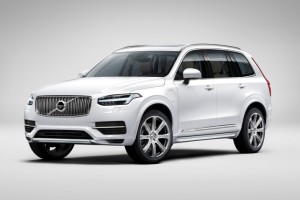
I recall a customer last fall who drove in after a highway incident where a small rock had cracked her windshield. She was surprised when I told her that a repair wouldn’t be possible because the crack crossed a sensor area. In vehicles like the XC90, a simple chip in certain spots often requires a full windshield replacement to maintain the integrity of driver assistance systems. I explained that the replacement would include recalibrating the lane-keeping cameras and rain sensors, which added to both labor and cost. That conversation highlighted a point I often make to Volvo owners: it’s rarely just about the glass itself.
From my experience, replacement prices in Ontario for a Volvo XC90 windshield usually fall into a higher range compared to standard sedans or older SUVs. This isn’t because shops are inflating prices—it’s due to the complexity of the installation. The glass is laminated with multiple layers, and the integration with safety tech means careful handling is essential. I’ve done dozens of XC90 installations, and even a small oversight during installation can compromise sensor accuracy, causing costly recalibration later.
I remember another case with a client whose XC90 had a crack from a parking lot mishap. The chip wasn’t large, but it was positioned right in front of the heads-up display area. Initially, the owner hesitated, thinking a DIY repair would suffice. When he brought it to me, the resin kits he had tried had created air pockets and scratches. It became clear that a professional replacement was necessary. We had to order the OEM windshield to ensure proper fitment and sensor compatibility, and the total bill reflected not only the glass but the time to carefully integrate and test all safety systems.
In my experience, many XC90 owners don’t anticipate the additional costs of sensor recalibration or OEM parts. After years of handling these vehicles, I’ve learned to walk every customer through the process: the windshield itself, adhesives, labor, and the mandatory recalibration of cameras and rain sensors. I’ve found that transparency up front helps avoid surprises and ensures the vehicle’s safety systems remain fully functional.
Another scenario I encountered involved a Volvo XC90 that had been in a minor accident. The previous owner attempted a replacement using a non-OEM windshield. When the vehicle came in for sensor recalibration, we discovered that the aftermarket glass caused slight misalignment, affecting the lane departure system. We had to remove the glass and replace it with a certified OEM windshield, which added to the overall expense. Experiences like this are why I strongly recommend Volvo owners stick with OEM or certified replacement glass and professional installation for anything beyond a minor chip.
Over the years, I’ve noticed a pattern: XC90 drivers who address chips or cracks quickly often save money in the long run. Even small cracks in critical areas can escalate into replacements when left unchecked. Working on these vehicles has taught me that understanding the full scope of costs—including sensors, calibration, and proper adhesives—prevents regret and preserves both safety and resale value.
For Volvo XC90 owners in Ontario, the reality is clear: replacement costs are influenced by safety systems, OEM requirements, and the precise work involved. While the initial price might seem high, the value lies in preserving functionality and ensuring the car operates exactly as designed. From my perspective, investing in professional service isn’t just about glass—it’s about keeping a complex safety machine working properly.