Selecting the right wig requires understanding the construction, materials, and performance standards that determine comfort, durability, and natural appearance. This guide provides a factual, structured overview designed to help consumers evaluate wig options with clarity and confidence.
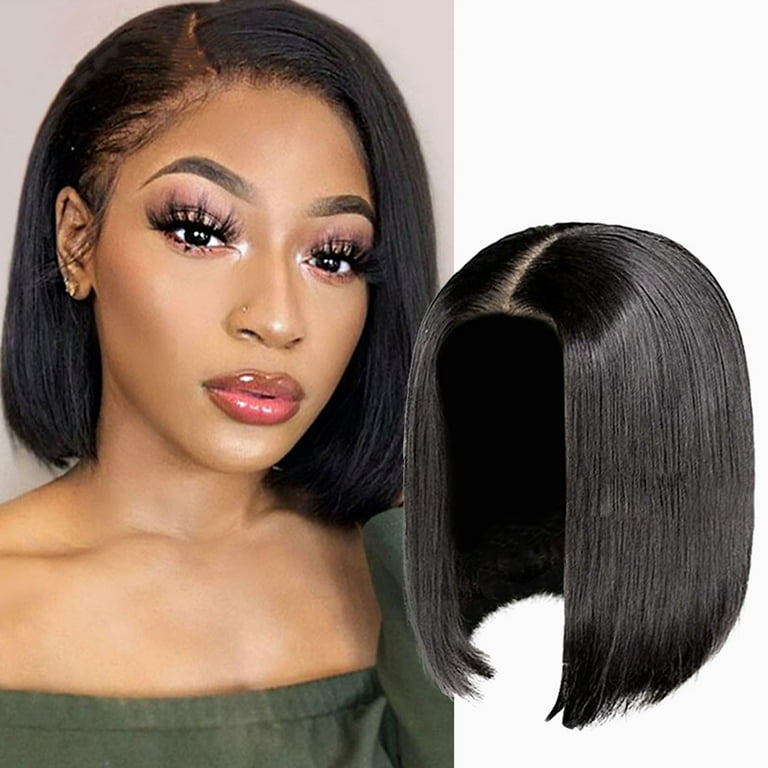
Understanding the Core Elements of Wig Quality
A high-quality wig should deliver realism, stability, and long-term wear without compromising scalp health. Assessing the key variables helps ensure the wig aligns with personal styling goals and daily needs.
Essential quality indicators include:
-
Material type (human hair or synthetic fiber)
-
Cap construction and ventilation
-
Hairline realism and lace quality
-
Density consistency and proportionality
-
Longevity under routine use
-
Maintenance requirements
Each of these factors directly affects the wig’s overall performance.
Types of Wigs and Their Functional Characteristics
Human Hair Wigs
Human hair provides the most realistic performance and styling versatility.
Advantages:
-
Natural texture and movement
-
Heat-styling compatibility
-
Strong durability when cared for properly
Best for: Users seeking freedom to curl, straighten, or chemically treat the piece.
Synthetic Wigs
Synthetic fibers are engineered to remain pre-styled and low-maintenance.
Advantages:
-
Shape retention even after washing
-
Consistent color and texture
-
More economical options
Limitations:
-
Heat limitations unless labeled heat-resistant
Lace Front Wigs
Designed with a lace material placed at the hairline for a natural finish.
Benefits:
-
Realistic frontal appearance
-
Versatile parting options
-
Lightweight and breathable
Full Lace Wigs
Constructed entirely on lace for complete styling freedom.
Benefits:
-
Updos, ponytails, and multidirectional parting
-
Increased breathability
Glueless Wigs
Engineered for secure wear without adhesives.
Benefits:
-
Adjustable straps and built-in combs
-
Ideal for sensitive skin
-
Quick, beginner-friendly installation
Key Cap Constructions: What to Evaluate
| Cap Type | Characteristics | Ideal User |
|---|---|---|
| Lace Front | Natural hairline, breathable | Everyday wear with realistic appearance |
| Full Lace | Entirely hand-tied lace | Users wanting maximum styling flexibility |
| 360 Lace | Lace perimeter for high ponytails | Active users who prefer varied hairstyles |
| Glueless | Bands, combs, no adhesives | Beginners and sensitive scalps |
| Classic Machine-Made | Wefted construction, sturdy | Budget-conscious users |
Understanding cap construction ensures proper fit, comfort, and styling capability.
How to Choose the Right Wig: A Practical, Step-By-Step Checklist
1. Confirm Accurate Measurements
Measure:
-
Head circumference
-
Ear-to-ear width
-
Front-to-nape length
Correct sizing prevents shifting and improves natural appearance.
2. Determine Appropriate Hair Density
-
130%: Natural everyday density
-
150–180%: Fuller volume and styling versatility
-
200%+: Glamorous, high-volume looks
3. Select Texture and Length Based on Maintenance Ability
-
Match preferred styling habits
-
Consider time required for detangling and upkeep
-
Balance length with lifestyle demands
4. Align Wig Type With Intended Use
-
Human hair for regular heat styling
-
Synthetic for time-saving routines
-
Glueless for fast application and scalp protection
Maintenance Standards for Long-Term Wig Performance
Proper maintenance extends lifespan and preserves realism.
Washing Guidelines
-
Use sulfate-free shampoo and hydrating conditioner
-
Wash human hair wigs every 7–10 wears
-
Wash synthetic wigs every 10–15 wears
Drying Protocols
-
Gently blot excess water
-
Air dry on a stand to maintain shape
Styling Precautions
-
Confirm heat tolerance before applying tools
-
Use thermal protectants
-
Avoid heavy oils that cause buildup
Storage Best Practices
-
Store on a wig stand
-
Keep away from heat, sunlight, and humidity
Common Mistakes to Avoid
-
Selecting an incorrect cap size
-
Over-plucking lace fronts
-
Using traditional brushes instead of wig-safe tools
-
Excessive heat exposure
-
Storing wigs without structural support
FAQ: Essential Wig Knowledge
1. How long does a high-quality wig last?
Human hair wigs often last 1–3 years, while synthetic wigs typically last 4–12 months depending on fiber quality and maintenance.
2. What makes a wig look natural?
Realistic lace, appropriate density, correct sizing, and quality fibers are primary factors in achieving undetectable wear.
3. Can a wig be worn daily?
Yes. Many cap designs are engineered for all-day comfort when cared for properly.
4. Can human hair wigs be colored or heat-styled?
Yes. Human hair allows chemical treatments and heat styling, though careful handling is required to preserve integrity.
5. What is the easiest type of wig for beginners?
Glueless wigs offer secure wear without adhesives, making them ideal for first-time users.