I’ve spent years fitting and customizing human hair wigs for patients experiencing medical hair loss, and somewhere along the way the work stopped feeling technical and became deeply personal. My training is in medical hair prosthetics, but most of what I know about human hair wigs came from sitting with people who were trying to hold on to a sense of normalcy while their world shifted.
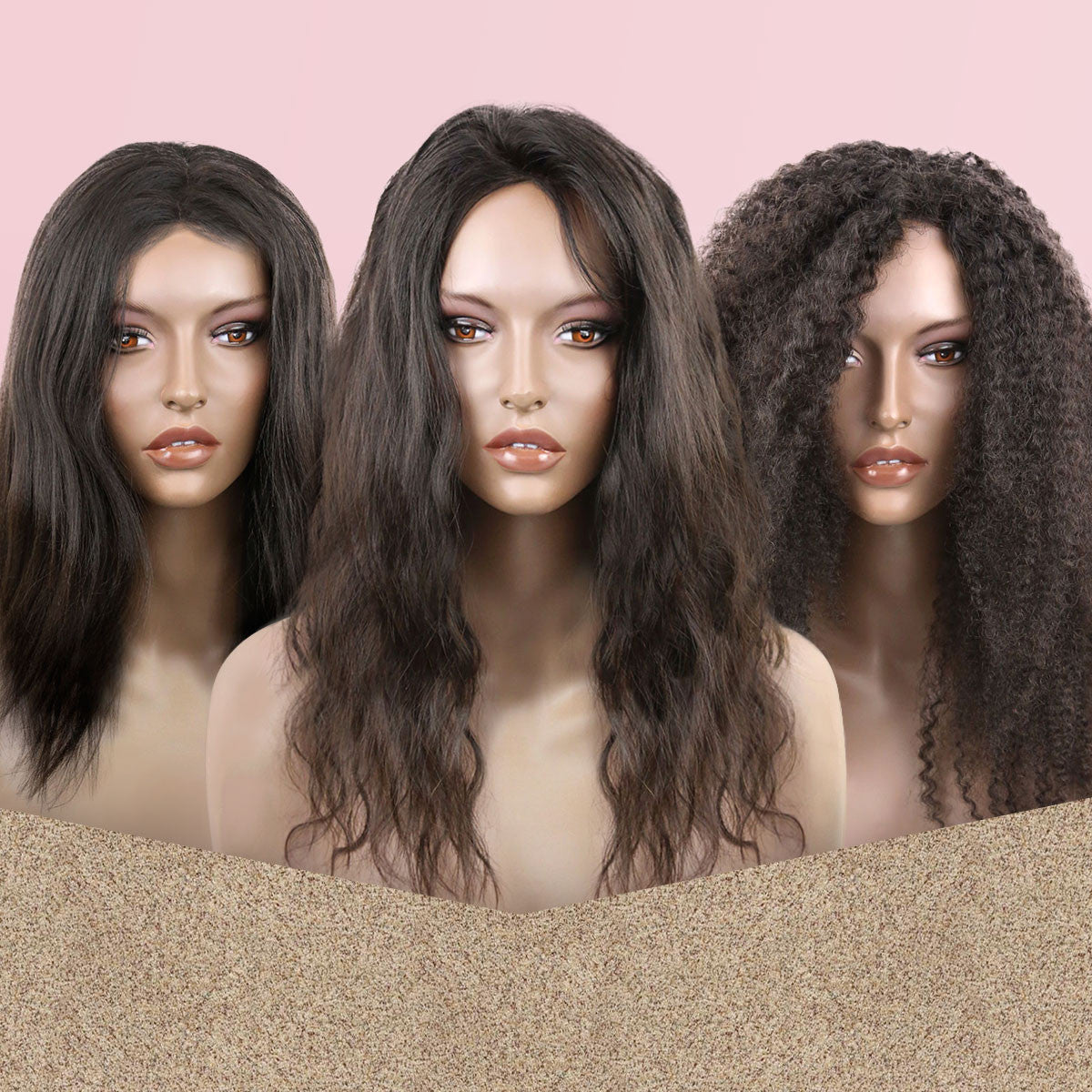
My earliest experience with a human hair wig was not glamorous. A patient arrived with a piece she’d purchased after her first round of chemotherapy. She was nervous to even take it out of the box. Once she did, she immediately apologized for “buying the wrong thing.” The wig wasn’t bad, but it was heavy, the cut was too blunt, and the hairline needed softening. I remember carefully shaping the layers and adjusting the lace until it blended naturally. When she put it on, she stared at herself for a long moment and said she finally felt like she had something she could wear outside without bracing for questions. That moment set the tone for how I approached every fitting afterward.
Human hair wigs bring unmatched realism, but they also demand a respect that many first-time wearers don’t expect. Last spring, I worked with a woman who had chosen a long European-texture human hair wig because she wanted something “as close as possible” to her original hair. For the first few days she loved it, but then exhaustion from treatment set in, and the styling routine became overwhelming. Human hair dries out, needs conditioning, and has moods—just like the hair it came from. She told me she felt guilty for not “keeping up with it.” I offered her a shorter style with a lighter density, still human hair but easier to manage. A week later she told me it felt like “breathing room.” That situation taught me that realism isn’t the only goal—sustainability matters just as much.
Fit is often more important than people realize. Human hair is heavier than synthetic, and if the cap doesn’t match a person’s head shape, pressure points show up quickly. A man recovering from a scalp burn once told me he could handle discomfort if it meant the wig looked natural. When I corrected his cap size and switched him to a fully hand-tied base, he was shocked at how much softer and lighter it felt. He hadn’t realized he was enduring the wrong piece simply because no one had explained sizing before. Those conversations reminded me that the technical aspects—cap construction, lace type, hair direction—aren’t luxuries. They’re the difference between wearing a wig and partnering with one.
Human hair wigs also need thoughtful customization. I rarely hand one over without making adjustments. A hairline almost always benefits from gentle plucking; lengths need shaping to align with someone’s facial structure; density sometimes requires thinning to mimic natural growth patterns. One client with long-term alopecia told me her wig always looked “too perfect” and made her self-conscious. After softening the part and adding movement to the ends, she said she finally felt like she wasn’t performing in her own life.
I’ve found that honesty goes a long way. I recommend human hair wigs often because they move beautifully and age naturally, but I’m also the first to caution someone if their lifestyle doesn’t match the maintenance. Someone who travels frequently or has limited time in the morning may find the upkeep frustrating. Someone who enjoys heat styling or customizing their look may find human hair incredibly rewarding. My perspective has become simple: choose the wig that fits the rhythm of your life, not the version of yourself you hope to impress.
Working with human hair wigs has shown me how much people long for continuity—hair that behaves in a familiar way, even if their circumstances have changed. A wig can’t erase what someone is going through, but it can give them a sense of their old self, even briefly. And in my experience, those small moments of recognition matter more than people realize.